Fire Safety FAQs and Compliance Updates in Central Queensland

Keeping up with fire safety requirements is essential for maintaining a safe and compliant workplace. RPS Fire provides practical guidance, industry updates and answers to common fire safety questions for businesses across Central Queensland. Our Fire Safety FAQs and Blog help business owners, facility managers and workplace safety professionals better understand their obligations under Queensland fire safety legislation and Australian Standards.

Fire Safety Advisor (FSA) FAQs

  • Is fire safety training mandatory?

    Yes. Under Queensland legislation, occupants of many workplaces are required to receive instruction and training in emergency procedures appropriate to their role and the building.


  • How often should staff receive training?

    Staff should receive training:


    At induction.

    When emergency procedures change.

    When building layouts or evacuation routes change.

    At regular intervals to maintain competency.


  • What training is required?

    Depending on the workplace, training may include:


    General Evacuation and Fire Response Instruction (GEFRI).

    Evacuation Coordination Instruction (ECI) / Fire Warden Training.

    Chief Warden Training.

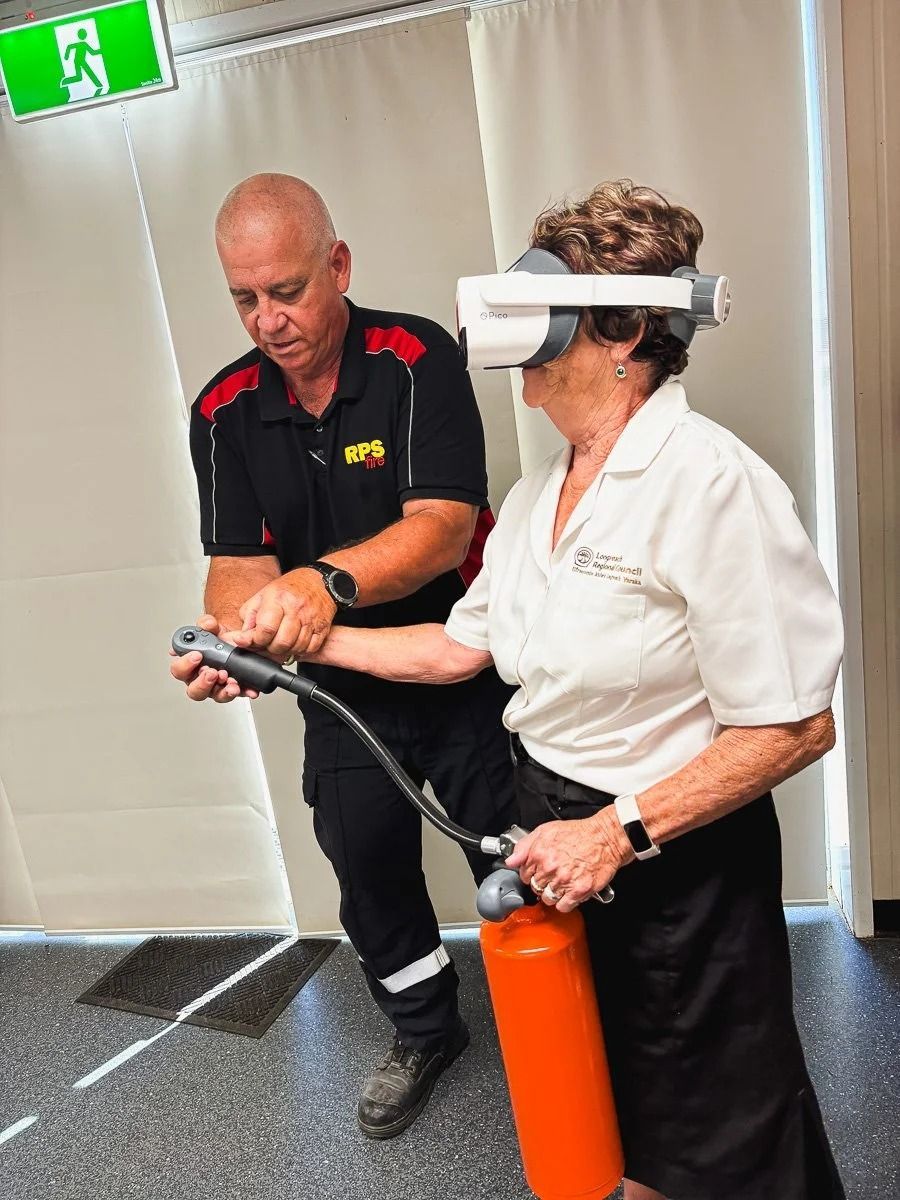
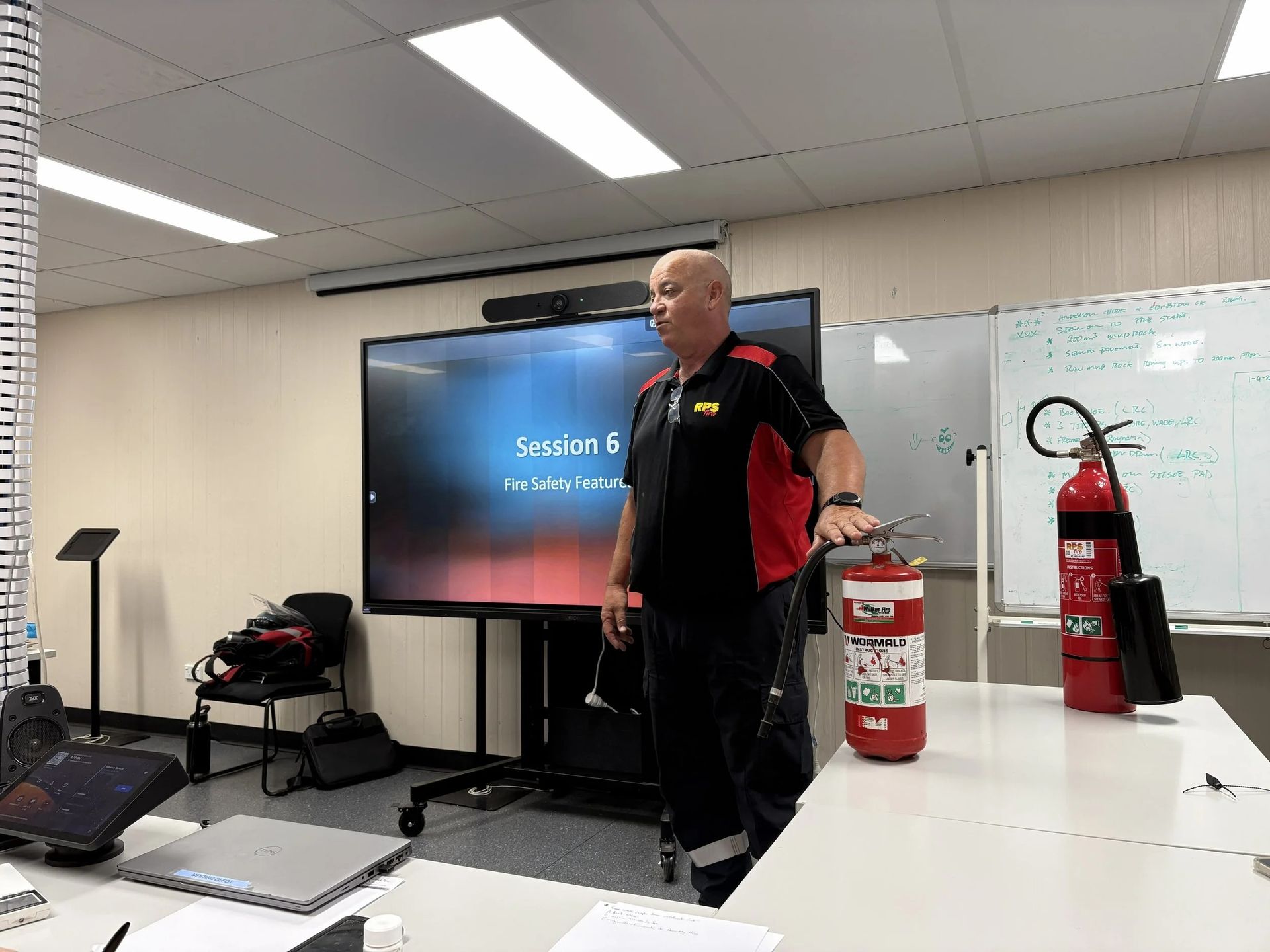
    Practical extinguisher and fire blanket training.


  • Do all staff need to attend Fire Warden Training?

    No. Only members of the Emergency Control Organisation (ECO) require ECI training. However, all occupants should receive GEFRI.


  • Can senior staff train other employees?

    GEFRI may be delivered internally if the employer can demonstrate staff have been adequately instructed. However, ECO members require formal instruction suitable for their role.


Emergency Control Organisation (ECO)

  • Do we need Fire Wardens?

    Many workplaces require an ECO based on:


    Building size.

    Occupancy.

    Risks present.

    Complexity of evacuation.


  • How many wardens do we need?

    This depends on:


    Number of occupants.

    Number of floors.

    Building layout.

    Operational risks.


  • What are the duties of a Fire Warden?

    Wardens may:


    Sweep designated areas.

    Direct occupants.

    Assist mobility-impaired persons.

    Report to the Chief Warden.

    Ensure areas are clear.


  • What are the duties of the Chief Warden?

    The Chief Warden:


    Coordinates the emergency response.

    Liaises with emergency services.

    Makes evacuation decisions.

    Controls communications during emergencies.


Emergency Procedures

  • Do we need a Fire & Emergency Evacuation Plan?

    All commercial buildings should have documented emergency procedures that address:


    Fire.

    Medical emergencies.

    Bomb threats.

    Hazardous material incidents.

    Severe weather and other foreseeable emergencies.


  • How often should emergency procedures be reviewed?

    At least annually or whenever:


    Building layouts change.

    Occupancy changes.

    New hazards are introduced.

    Following an emergency or evacuation.


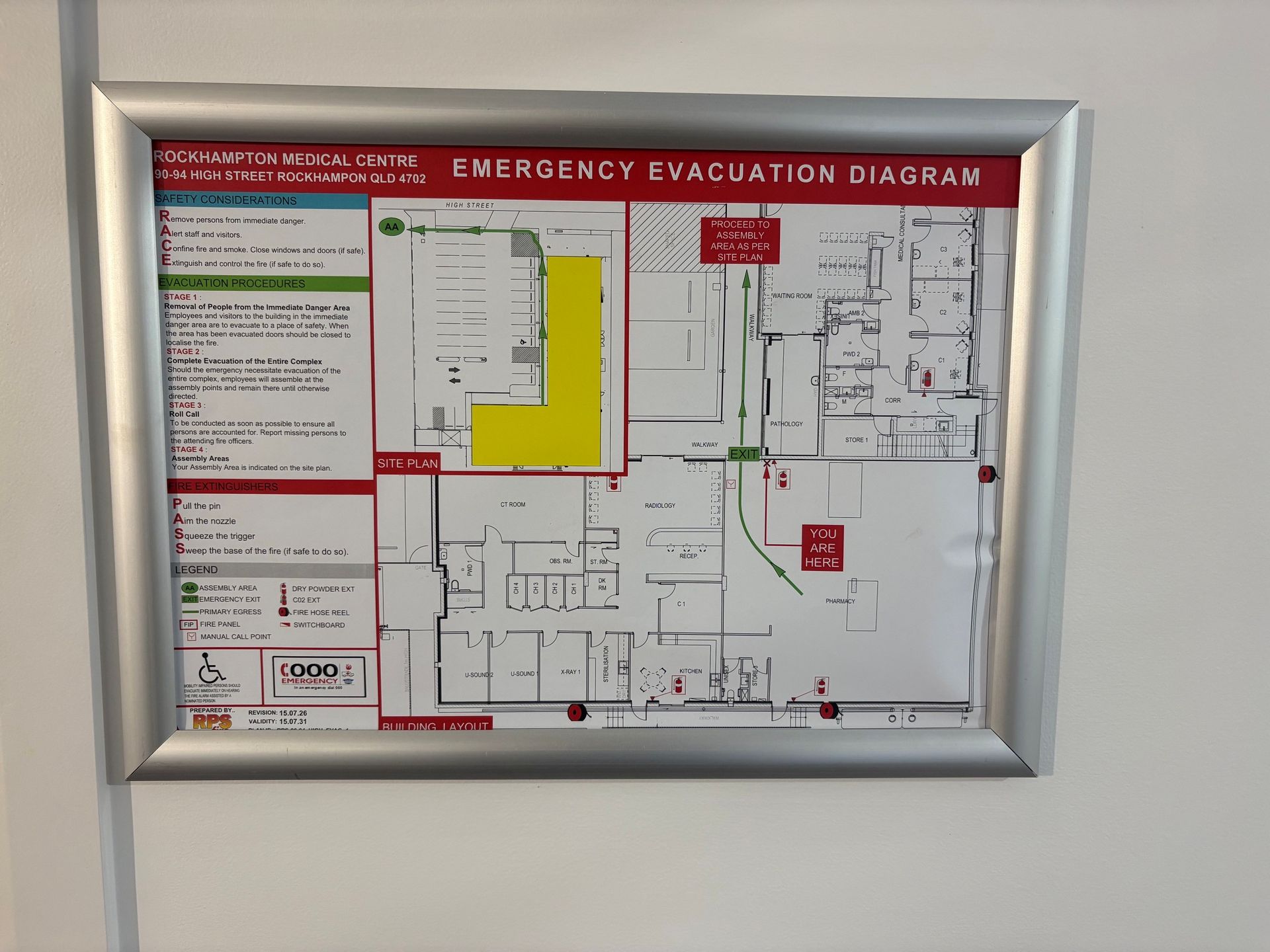
  • Do we need evacuation diagrams?

    Evacuation diagrams are generally required where an evacuation plan exists and should accurately show:


    "You Are Here" location.

    Exits.

    Evacuation routes.

    Assembly areas.

    Fire equipment locations.


  • How often must evacuation diagrams be reviewed?

    At least every five years or whenever significant changes occur.


Evacuation Routes

  • Can evacuation routes pass through storage areas?

    No. Evacuation routes should remain clear, unobstructed and readily accessible at all times.


  • Can stock be stored in front of exits?

    No. Exits, fire doors and paths of travel must remain clear.


  • Can furniture obstruct an evacuation route?

    No. Furniture, displays, filing cabinets or other items must not reduce the required width of evacuation paths.


  • How wide should evacuation routes be?

    The required width depends on building classification, occupant load and design. Evacuation routes should maintain the minimum width approved for the building - no less than 1m.


    Annual Exit Pathway Inspection Should Include:


    Paths of Travel


    Clear and unobstructed from all occupied areas to a place of safety.

    No storage, stock, furniture, displays, or equipment encroaching into the path.

    Minimum required widths maintained.

    Floor surfaces in good condition with no trip hazards.

    Exit Doors


    Open readily in the direction of egress where required.

    No locking arrangements preventing emergency escape.

    Door hardware operational.

    Self-closing devices functioning where installed.

    Fire Doors on Exit Routes


    Operate correctly.

    Self-close and latch.

    No damage to door leaf, frame, seals, or hardware.

    Appropriate signage installed.

    Exit Signs


    Correctly located and visible from the path of travel.

    Illuminated and operational.

    Maintained in accordance with AS 2293.

    Emergency Lighting


    Provides adequate illumination along the exit route.

    Tested and maintained in accordance with AS 2293.

    Stairways


    Handrails secure.

    Tactile indicators present where required.

    Slip-resistant surfaces maintained.

    Free from storage or obstructions.

    Evacuation Diagrams


    Located along exit routes where required.

    Current and accurately reflect the building layout.

    Signage


    EXIT signs visible.

    Fire door signage installed.

    "Keep Clear" markings maintained where required.

    Fire Doors


  • Can a fire door be held open?

    Only if fitted with an approved hold-open device connected to the fire detection or alarm system.


  • Can a fire door be wedged open?

    No. Fire doors must not be wedged, restrained or prevented from operating.


  • Can a fire door latch be disabled?

    No. Fire door latches are essential for maintaining the fire-resistance performance of the door.


  • What signage is required on fire doors?

    Common signs include:


    FIRE DOOR – DO NOT OBSTRUCT.

    FIRE SAFETY DOOR – DO NOT KEEP OPEN.

    Automatic fire door warning signage where applicable.


  • How often are fire doors inspected?

    Typically, every six months in accordance with Australian Standards and maintenance requirements.


Fire Safety Equipment

  • How often must fire extinguishers be serviced?

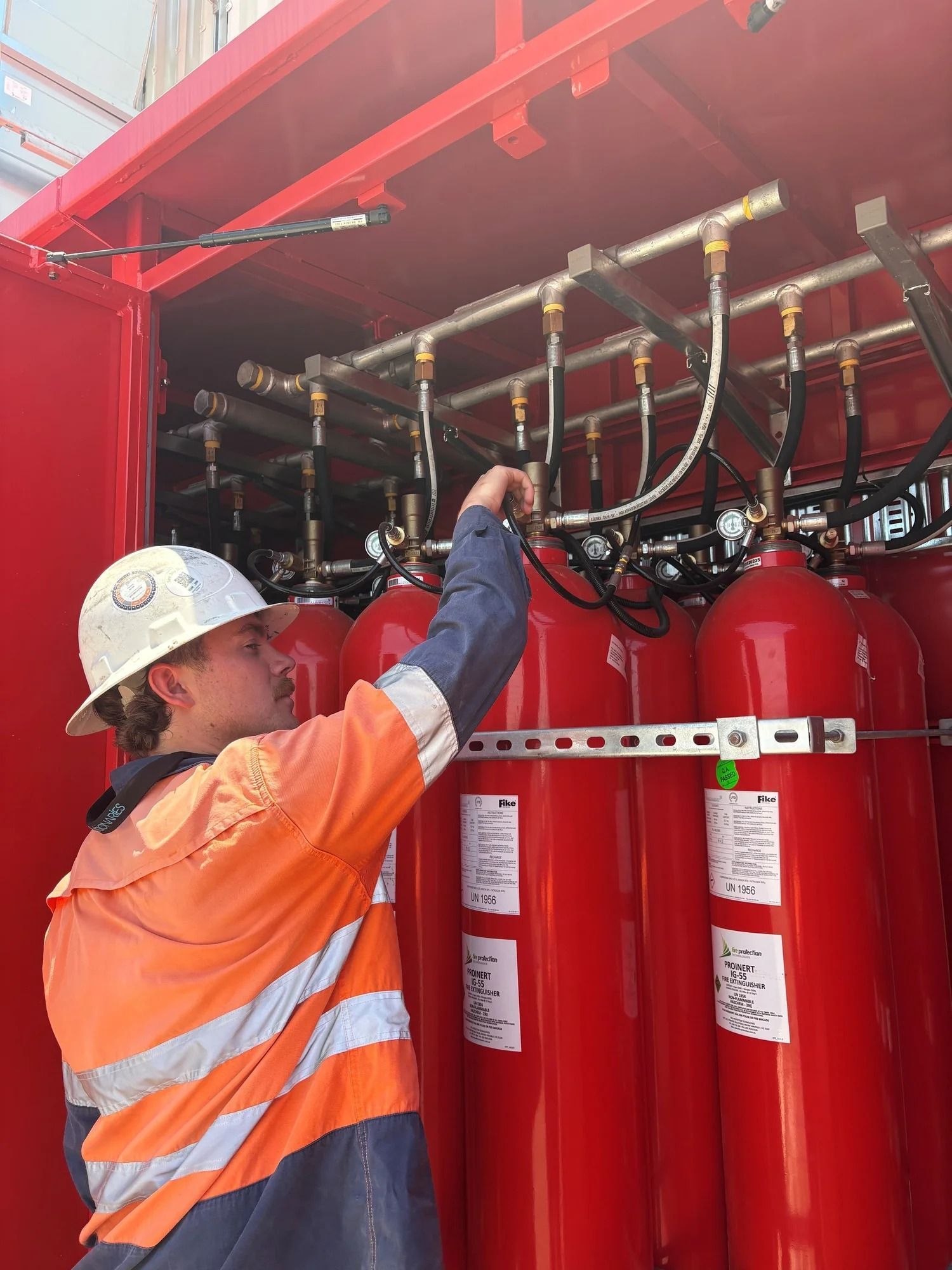
    Generally, every six months in accordance with AS 1851.


  • How often are hose reels inspected?

    Typically, every six months with annual flow testing requirements.


  • How often must emergency lighting be tested?

    Six-monthly and annually in accordance with AS 2293.


  • Who is responsible for maintaining fire safety installations?

    The building owner or occupier is responsible for ensuring prescribed fire safety installations are maintained and tested.

FAQ’s

  • What fire protection services does RPS Fire provide?

    RPS Fire provides comprehensive fire protection services across Australia, including fire system design, installation, certification, compliance audits, and ongoing maintenance. We specialise in delivering tailored fire safety solutions for commercial, industrial, infrastructure, and development projects. Our team ensures all systems meet Australian Standards and regulatory requirements, helping clients reduce risk, achieve compliance, and protect people, assets, and operations.

  • Do you handle design, installation, certification, and maintenance?

    Yes — RPS Fire offers end‑to‑end fire protection solutions. We manage everything from initial fire engineering design and performance solutions through to installation, system commissioning, compliance certification, and ongoing servicing. This integrated approach ensures consistency, accountability, and full compliance with Australian Standards throughout the lifecycle of your fire systems.

  • What industries does RPS Fire work in?

    RPS Fire operates across commercial buildings, industrial facilities, infrastructure projects, healthcare, education, and large-scale property developments. We understand the unique fire risks and compliance requirements of each sector and provide tailored fire protection strategies to suit the environment, operational risks, and regulatory obligations.

  • Do you service all of Queensland?

    RPS Fire services clients across Central Queensland from Gladstone to Windorah, including regional and remote locations. Check out our map on our website for our regular service locations.

  • How do I know if my building meets fire compliance requirements?

    To determine if your building meets fire compliance requirements, you need to assess your systems against the National Construction Code (NCC) and relevant Australian Standards (such as AS 1851, AS 1670, and AS 2118). RPS Fire provides detailed fire compliance audits and gap assessments to identify risks, non-compliances, and required upgrades, ensuring your property meets legal and safety obligations.

  • What happens if my fire systems are non-compliant?

    Non-compliant fire systems can lead to fines, legal liability, insurance issues, and increased risk to life and property. In some cases, buildings may be restricted from occupancy. RPS Fire helps identify non-compliance issues and provides clear, cost-effective solutions to rectify them quickly and bring your systems back into compliance with Australian regulations.

  • How often do fire systems need to be tested and maintained?

    Fire systems in Australia must be tested and maintained in accordance with AS 1851, which sets out routine servicing requirements. This includes monthly, quarterly, six-monthly, and annual inspections depending on the system type. Regular maintenance ensures systems remain operational, compliant, and ready to perform in an emergency. RPS Fire offers scheduled servicing programs tailored to your facility.

  • What is a 5-yearly service for fire hydrant systems?

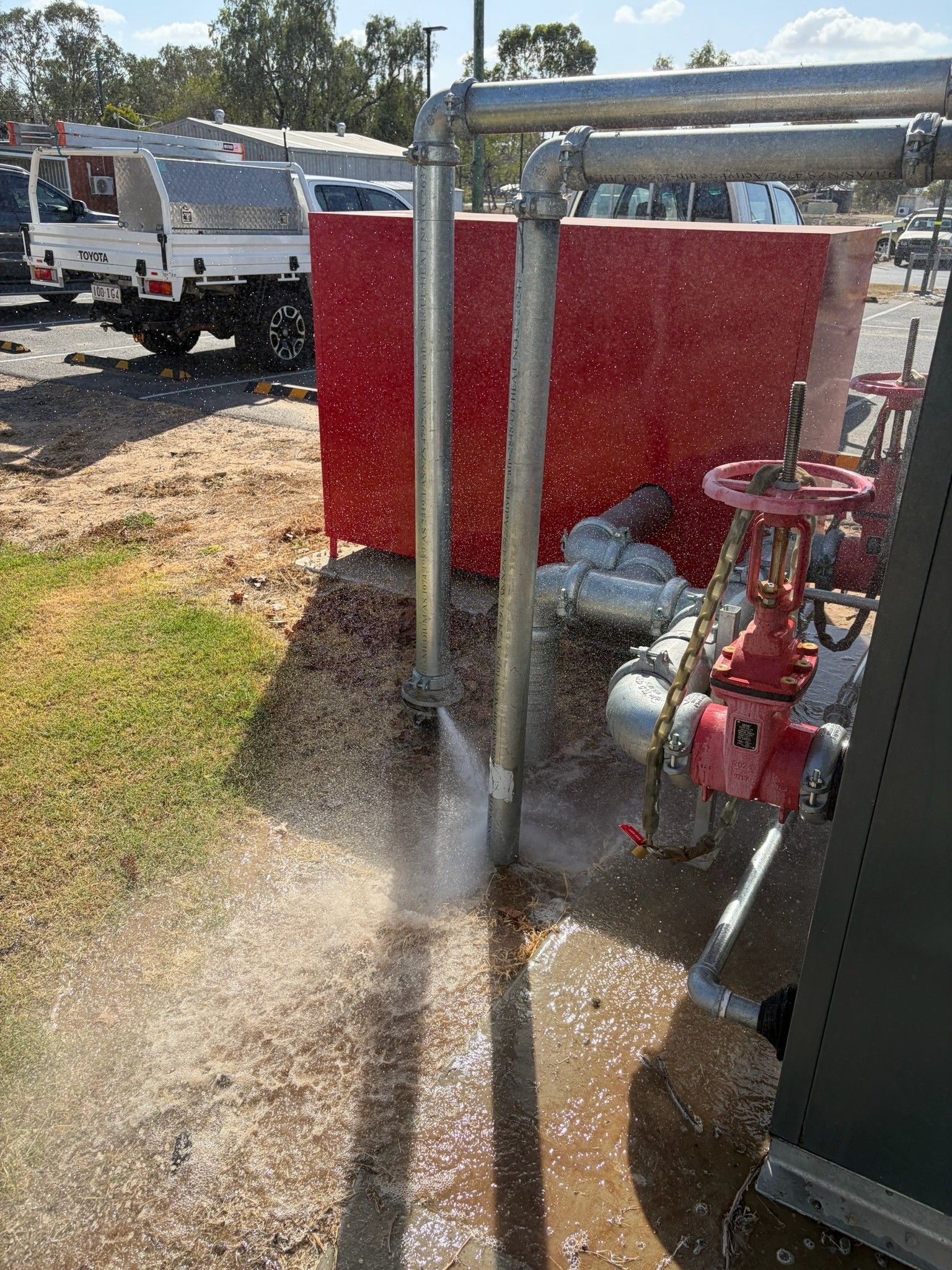
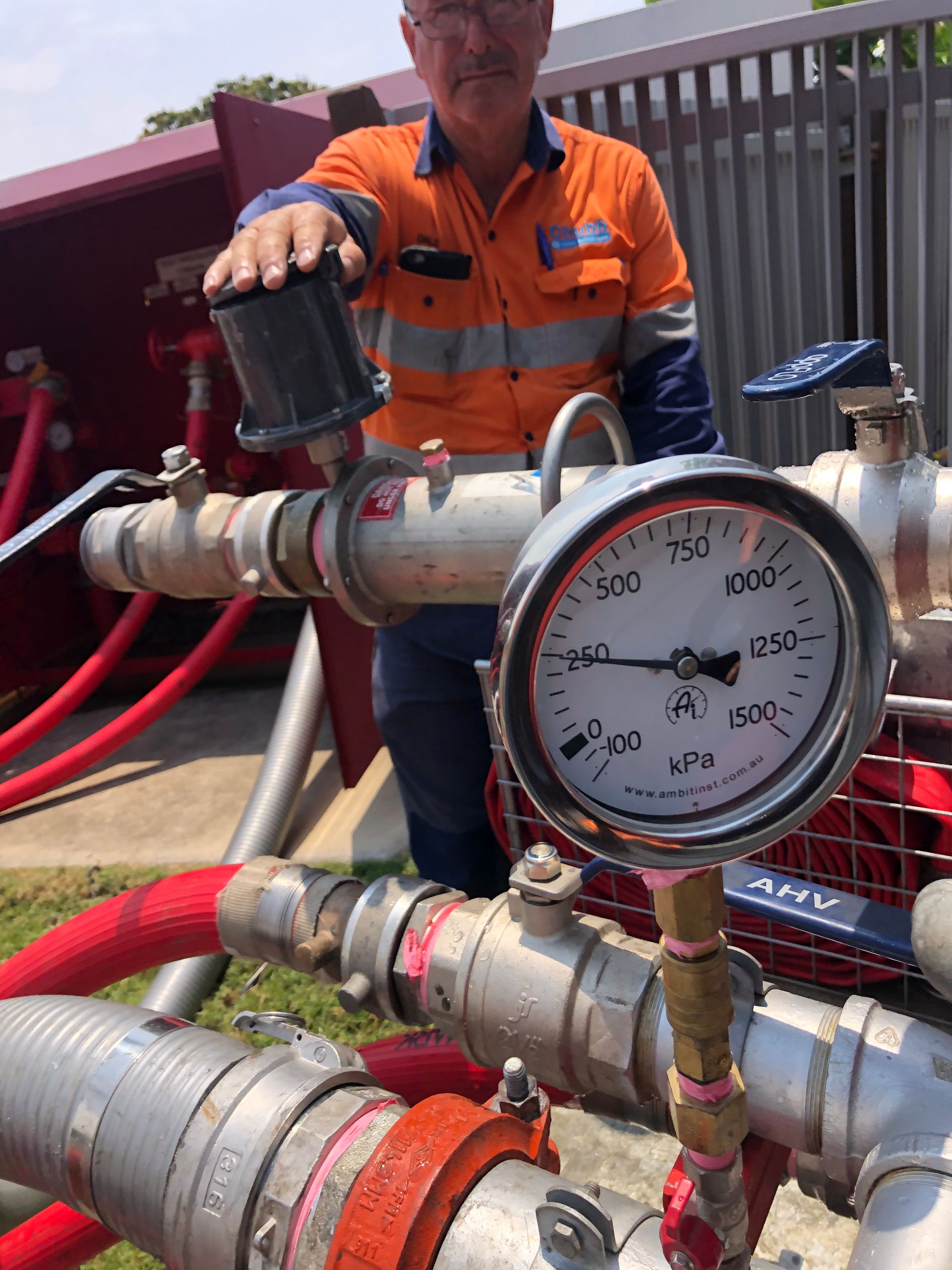
    A 5-yearly service for fire hydrant systems is a major inspection and testing requirement under AS 1851 to ensure the system remains fully operational, compliant, and safe. This service goes beyond routine inspections and includes detailed testing of hydrants, pipework, valves, pumps (if applicable), and water flow performance to verify the system will operate effectively in an emergency.

  • What is included in a 5-year hydrant system service?

    A 5-yearly hydrant service typically includes:


    Hydrostatic pressure testing of pipework

    Flow testing to confirm adequate water supply and performance

    Inspection and testing of hydrant valves and landing valves

    Inspection of pipe condition for corrosion or deterioration

    System flushing and cleaning if required

    Verification of system compliance with current standards

    Detailed reporting and certification


    RPS Fire ensures all testing is completed in line with AS 1851 requirements and relevant fire safety regulations.

  • Why is a 5-year hydrant service required?

    5-yearly servicing is required to identify hidden issues that routine inspections may not detect, such as internal corrosion, pipe degradation, or reduced water flow capacity. These issues can compromise system performance during a fire event. Regular major servicing ensures compliance, protects occupants, and reduces the risk of system failure when it is needed most.

  • Is a 5-year hydrant test mandatory in Australia?

    Yes — 5-yearly hydrant system servicing is mandated under AS 1851: Routine Service of Fire Protection Systems and Equipment. Building owners and responsible persons are legally required to ensure their fire protection systems are maintained at prescribed intervals, including major inspections every five years.

  • What happens if I don’t complete a 5-year hydrant service?

    Failure to complete required 5-year servicing can result in:


    Non-compliance with Australian Standards

    Potential fines or regulatory action

    Increased liability in the event of a fire

    Insurance claim disputes or denial

    Increased risk of system failure


    RPS Fire helps building owners stay compliant and avoid these risks through scheduled servicing and proactive management.

  • How long does a 5-year hydrant service take?

    The duration depends on the size and complexity of the system. Smaller systems may be completed within a day, while larger commercial or industrial sites may require staged testing over several days. RPS Fire works with clients to minimise disruption and coordinate testing efficiently.

  • Do I need to shut down my building during testing?

    In some cases, partial system shutdowns may be required during testing. RPS Fire carefully plans all 5-year servicing to minimise operational impact, including staging works, scheduling during low-activity periods, and implementing temporary safety measures where necessary.

  • Will I receive certification after the service?

    Yes — after completing a 5-year hydrant service, RPS Fire provides detailed reports and documentation confirming system condition, test results, and compliance status. This documentation supports your regulatory obligations, audits, and Annual Fire Safety Statements (AFSS).

  • Can RPS Fire manage my hydrant testing schedule?

    Yes — RPS Fire offers ongoing maintenance programs that include tracking and scheduling of all required servicing intervals, ensuring your hydrant systems remain compliant without the risk of missed deadlines.

  • Do you provide fire compliance audits?

    Yes — RPS Fire provides comprehensive fire compliance audits that assess your existing systems against Australian Standards and regulatory requirements. Our audits identify risks, compliance gaps, and areas for improvement, giving you a clear action plan to maintain safety and meet legal obligations.

  • Can you work with architects and builders?

    Absolutely — RPS Fire collaborates closely with architects, builders, developers, and consultants. We ensure fire protection systems integrate seamlessly with overall project design while meeting compliance requirements and project timelines.

  • What risks does poor fire protection create for a business?

    Poor fire protection increases the risk of injury, asset loss, operational downtime, regulatory penalties, and insurance complications. Inadequate fire systems can also delay occupancy approvals or shut down operations. RPS Fire helps mitigate these risks by ensuring your systems are designed, installed, and maintained correctly.

  • How does fire compliance affect insurance?

    Insurance providers often require proof of compliant and properly maintained fire systems. Non-compliance can result in denied claims or increased premiums. RPS Fire helps ensure your systems meet insurer expectations and provides documentation to support compliance.

  • Do you provide ongoing fire system maintenance?

    Yes — RPS Fire offers ongoing maintenance services to ensure your fire systems remain compliant and fully operational. We provide scheduled inspections, testing, repairs, and reporting in accordance with Australian Standards.

  • Can you take over servicing from another provider?

    Yes — RPS Fire can take over existing fire system maintenance contracts. We begin with a detailed review of your current systems and service history to ensure a smooth transition and immediate compliance.

  • What’s included in a fire system service?

    A typical fire system service includes inspection, testing, maintenance, fault identification, reporting, and compliance documentation. This may cover alarms, sprinklers, hydrants, extinguishers, and emergency lighting depending on your system setup.

  • Can RPS Fire provide certification for occupancy approvals?

    Yes — RPS Fire provides the necessary testing, documentation, and certification required for occupancy approvals. We ensure your fire systems meet all regulatory requirements and work with certifiers and authorities to support project completion.

  • Do you assist with Occupiers Statements?

    Yes — RPS Fire assists building owners in preparing and maintaining Annual Fire Safety Statements (AFSS). We ensure all fire safety measures are inspected, tested, and certified in accordance with regulatory requirements.

  • Do I need a fire engineer for my project in Australia?

    You may need a fire engineer if your project involves complex building design, non-standard layouts, or performance-based compliance solutions. A fire engineer ensures your project meets NCC requirements and can help reduce costs by optimising fire system design.

  • What fire systems are required for a commercial building?

    Required fire systems depend on building classification, size, and use, but may include fire alarms, sprinklers, hydrants, extinguishers, smoke control systems, and emergency lighting. RPS Fire can assess your building and specify the exact systems needed for compliance.

  • How can I check if my fire system is compliant?

    The best way to check compliance is through a professional audit. RPS Fire reviews your systems against current standards and regulations, identifies issues, and provides a clear plan to achieve full compliance.

  • What equipment can I hire from RPS Fire?

    RPS Fire offers specialist pipe fabrication equipment for hire, including:

    • Ridgid pipe threading machines
    • Victaulic roll groovers capable of grooving pipe up to 300mm
    • Exact PipeCut pipe cutting systems for accurate cutting of large-diameter pipe
    • Hydrant Flowmeters
    • Sprinkler Flowmeters
    • Hydrant Standpipes
    • Ambit Elements

    Our equipment is suitable for fire protection, mechanical services, hydraulic services, industrial piping, and commercial construction projects.

  • Do you hire Ridgid threading machines?

    Yes. RPS Fire has three Ridgid threading machines available for hire. These machines are ideal for producing accurate threaded pipe and roll grooved connections for fire hydrant systems, sprinkler installations, hydraulic services, and industrial pipework.

    Our threading machines are maintained and tested to ensure reliable performance on-site.


  • What size pipe can your threading machines handle?

    Our Ridgid threading machines are suitable for 15 – 50mm pipe sizes commonly used in fire protection and mechanical services installations. Contact our team with your project requirements and we can recommend the most suitable machine for your application. Roll Groove attachments are also available for 25mm to 150mm and 25mm IGS on these machines.

  • Do you hire roll grooving equipment?

    Yes. RPS Fire offers a Victaulic roll groover for hire, capable of roll grooving steel pipe from 25mm up to 300mm diameter.

    Roll grooved pipe systems are commonly used in fire sprinkler systems, hydrant installations, industrial pipework, and mechanical services projects, providing a fast and reliable joining method.

  • What is a roll groover used for?

    A roll groover forms a precision groove near the end of a pipe, allowing mechanical couplings to be installed. Grooved systems enable faster installation, easier maintenance, and flexible connections compared to traditional welded systems.

    Victaulic and Ridgid grooved pipe systems are widely used throughout the fire protection industry because they are efficient, reliable, and compliant with Australian standards when installed correctly.


  • What pipe sizes can your Victaulic roll groover handle?

    Our Victaulic roll groover can process pipe sizes up to 300mm diameter, making it suitable for larger commercial, industrial, and infrastructure projects where high-volume fire protection pipework is required.

  • Do you hire Exact PipeCut equipment?

    Yes. RPS Fire offers Exact PipeCut equipment for hire, providing fast, safe, and highly accurate pipe cutting for steel, stainless steel, ductile iron, and other pipe materials.

    The system produces clean, square cuts that reduce installation time and improve joint quality.


  • What are the advantages of using an Exact PipeCut?

    Using an Exact PipeCut provides several benefits:

    • Fast and accurate cutting
    • Consistent square-cut pipe ends
    • Reduced rework and grinding
    • Improved safety compared to traditional cutting methods
    • Suitable for larger-diameter pipe installations

    This makes it an excellent choice for fire services, hydraulic services, and industrial piping projects.

  • Can RPS Fire provide advice on selecting the right equipment?

    Absolutely. Our team works with pipework and fire protection systems every day and can recommend the most suitable equipment for your project based on pipe size, installation method, and site requirements.

  • Is training provided with equipment hire?

    RPS Fire can provide operational guidance on the hired equipment and explain best-practice usage. Your employees should be trade qualified and experienced in using this equipment. Contact our team before hire to discuss your experience level and project requirements.

  • Do you offer short-term and long-term equipment hire?

    Yes. We offer flexible hire periods to suit project requirements, whether you need equipment for a single day, a week, or a longer-term installation project.

  • Why hire pipe fabrication equipment from RPS Fire?

    Unlike general hire companies, RPS Fire specialises in fire protection systems and pipework installation. Our equipment is selected specifically for fire, hydraulic, and mechanical services projects, ensuring you have access to reliable, industry-proven tools backed by practical technical support.

  • Do I need any additional equipment other than the pipe threading / roll grooving machines?

    • Threading Oil
    • Roll Groove tape measure
    • Pipe stands
    • Stainless steel dies for roll grooving

    Just ask and we will help supply.

  • Do you hire flow testing equipment for fire hydrant systems?

    Yes. RPS Fire offers flow testing equipment for hire to assist with fire hydrant commissioning, performance testing, compliance assessments, and water supply verification.

    We can hire gauges, Hydrant Flowmeters, Ultrasonic Flowmeters and Ambit gauges and probes. 

  • What is flow testing equipment used for?

    Flow testing equipment is used to measure the performance of a water supply system by determining:

    • Available flow rates
    • Residual water pressure
    • Static water pressure
    • Water supply adequacy
    • Hydrant system performance

    This data is commonly required for fire hydrant commissioning, system upgrades, hydraulic design verification, and compliance assessments.


  • Why is hydrant flow testing important?

    Hydrant flow testing helps verify that a water supply can provide the required flow and pressure during a fire emergency. It confirms whether existing infrastructure can support fire protection systems and assists engineers in designing compliant hydrant and sprinkler systems.

    Flow testing is often required when commissioning new systems, modifying existing systems, or assessing building compliance.

Blog & Updates

Man holding an award plaque and trophy at a step-and-repeat press backdrop.
March 2, 2026
Celebrating Our Team at the NFIA Christmas Lunch & Awards
Presenter standing beside a TV screen in a conference room with a fire extinguisher in front.
September 2, 2025
Did you know?
Black outlined phone handset icon on white background

Stay informed and strengthen your workplace fire safety compliance.

Speak With a Fire Safety Specialist