What Fire Prevention Systems Should Your Business Invest In?
Most commercial buildings need a combination of systems working together, not a single product — typically extinguishers, hydrants and fire hose reels, sprinklers, alarms, emergency lighting and passive protection, all serviced to AS 1851, the Australian Standard for fire protection servicing.
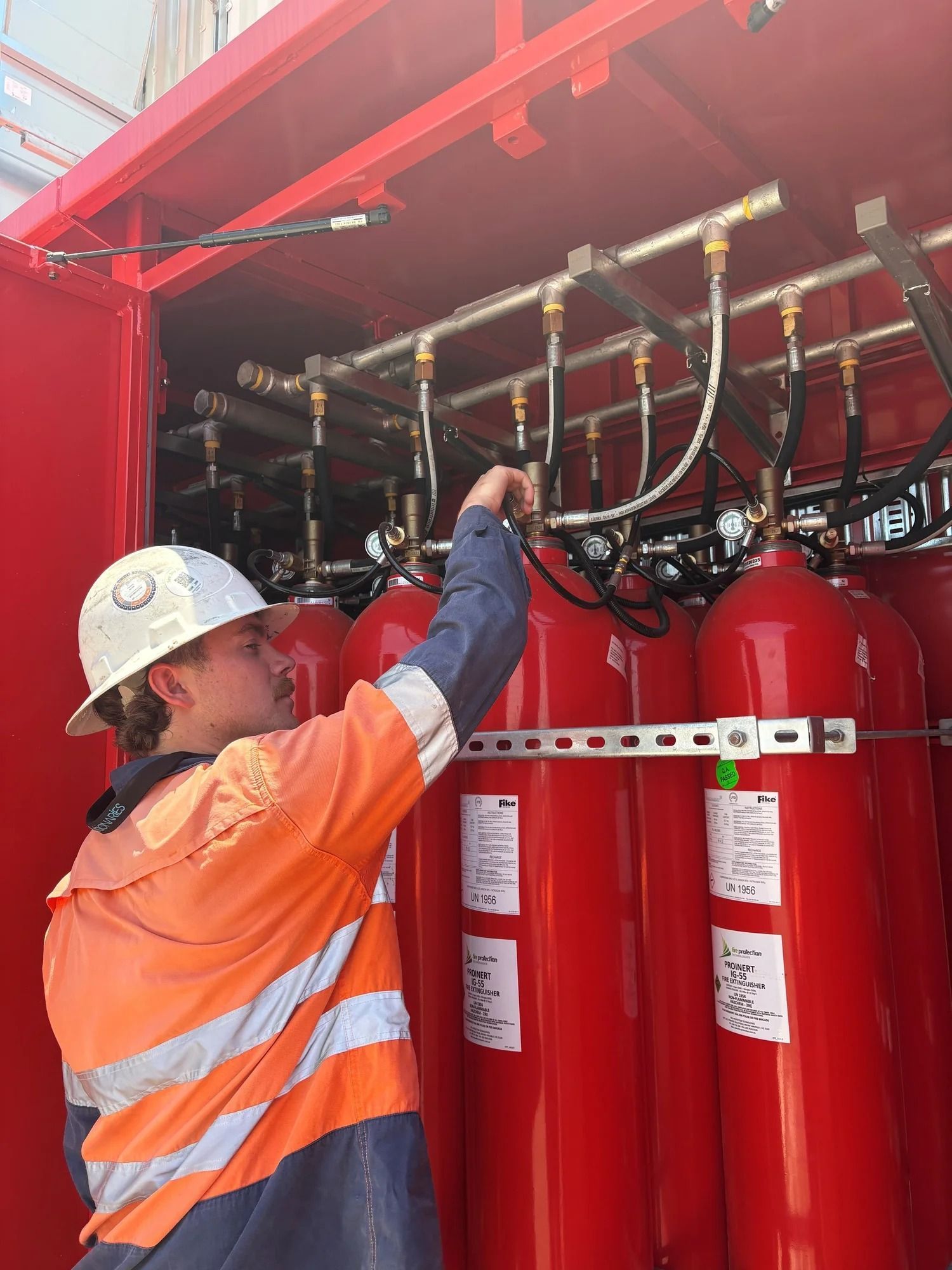
The right combination depends on the building and what it's used for. RPS Fire completes, installation, commissioning, servicing, maintenance and certification for businesses throughout Central Queensland. At a glance, the main systems worth considering are:
- Fire extinguishers and portable fire equipment
- Fire hydrants and fire hose reels
- Automatic sprinkler systems
- Fire detection and alarm systems
- Exit and emergency lighting, and evacuation planning
- Passive fire protection and fire doors
Fire Extinguishers and Portable Fire Equipment
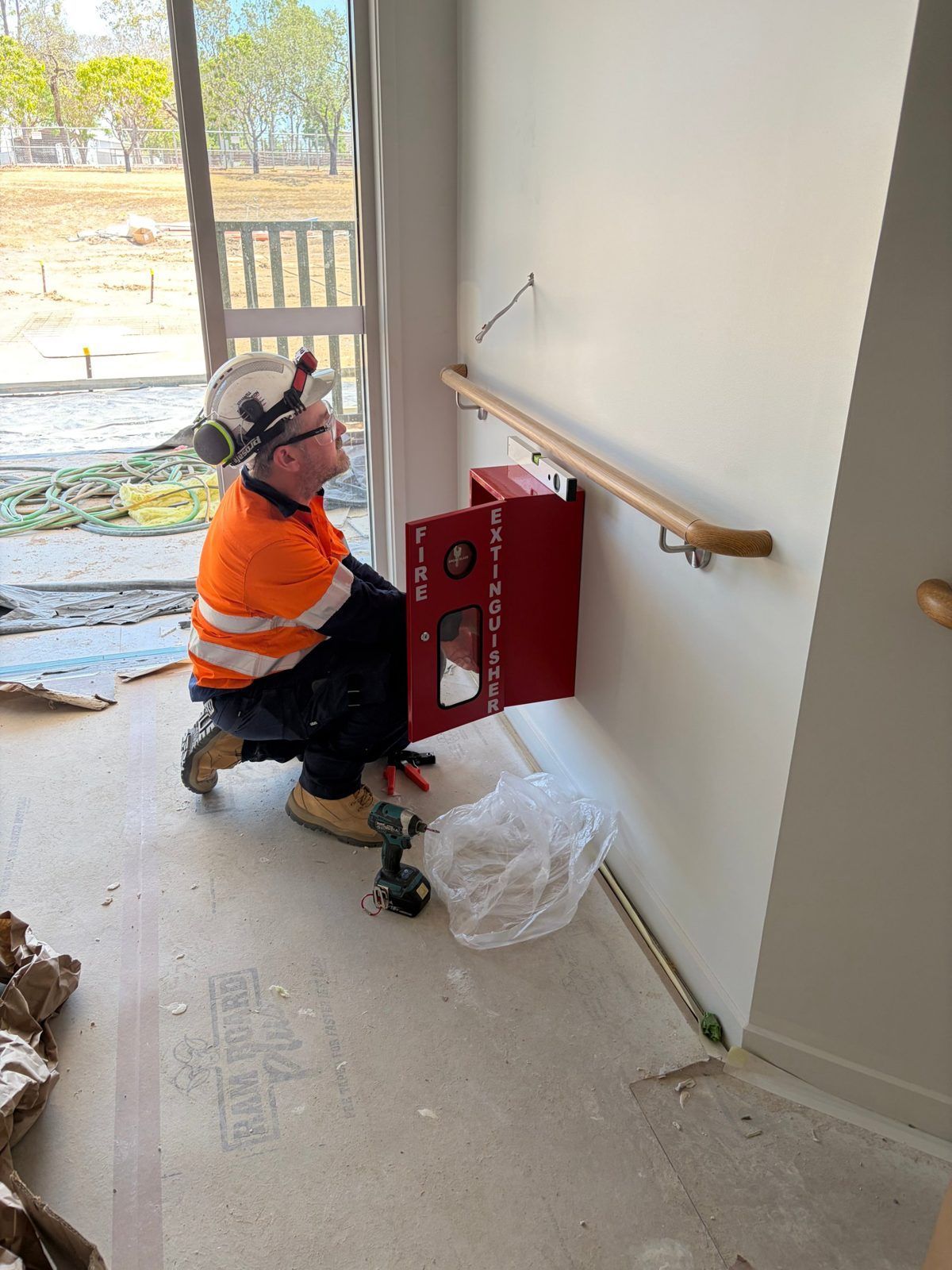
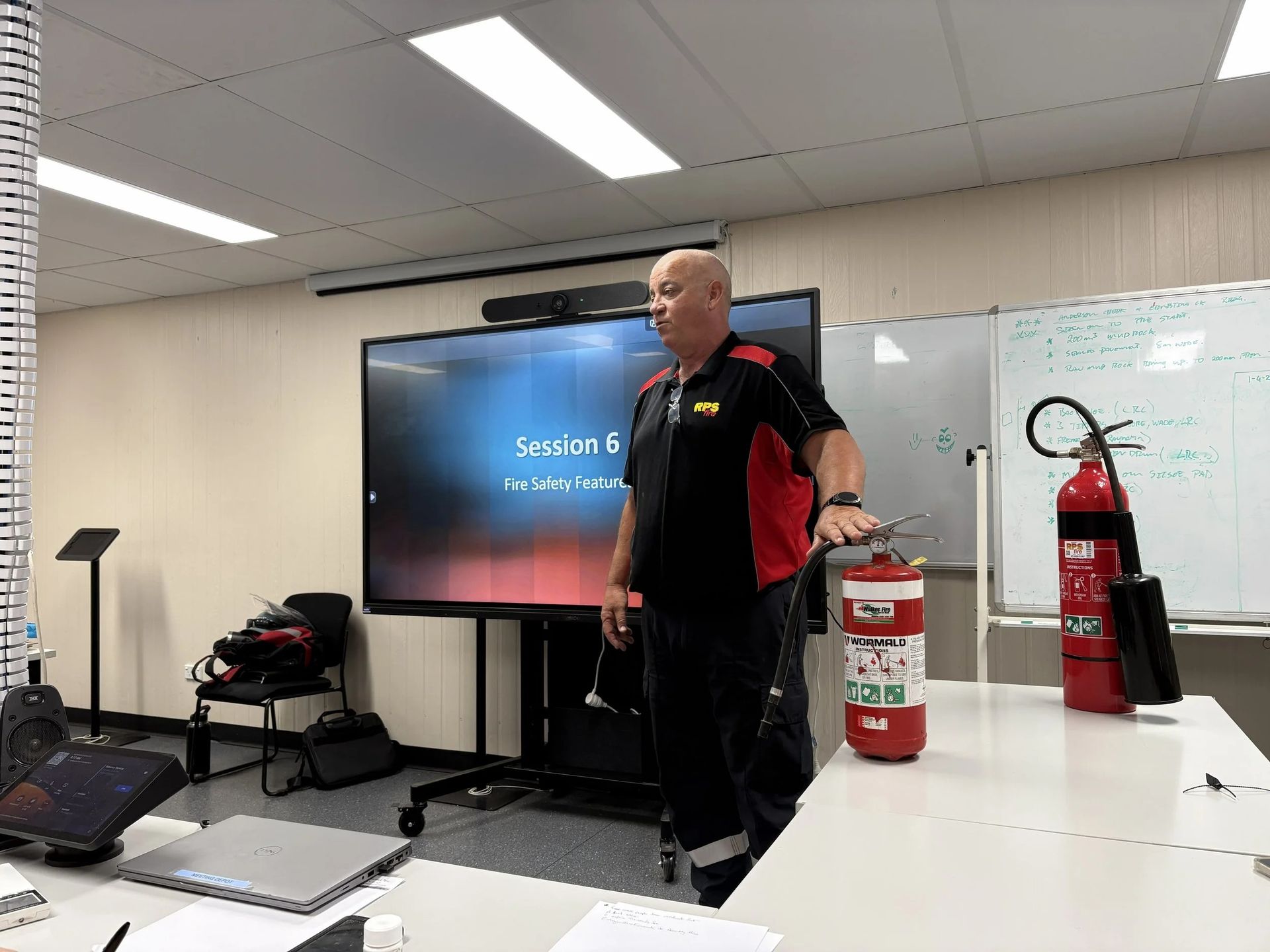
A fire extinguisher is one of the most recognisable pieces of workplace fire equipment, and RPS Fire supplies and maintains extinguishers alongside fire blankets and other portable equipment.
Portable equipment should be treated as one part of a broader fire safety strategy, not a stand-in for it. What matters longer term is the quality of the equipment, how well it's positioned for the building, and whether it's kept in serviceable condition — which is why ongoing maintenance and clear reporting matter as much as the initial purchase. Under AS1851, extinguishers require a 6-monthly inspection and tag, with pressure testing every 5 years — reduced to every 3 years in aggressive or corrosive environments.
Do Hydrants and Fire Hose Reels Need Separate Servicing?
Automatic Sprinkler Systems
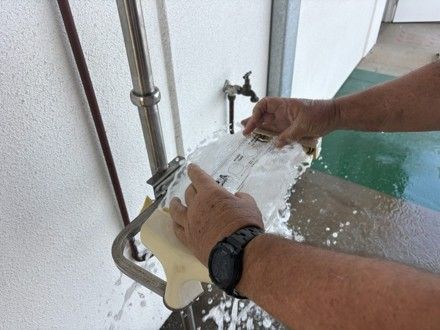
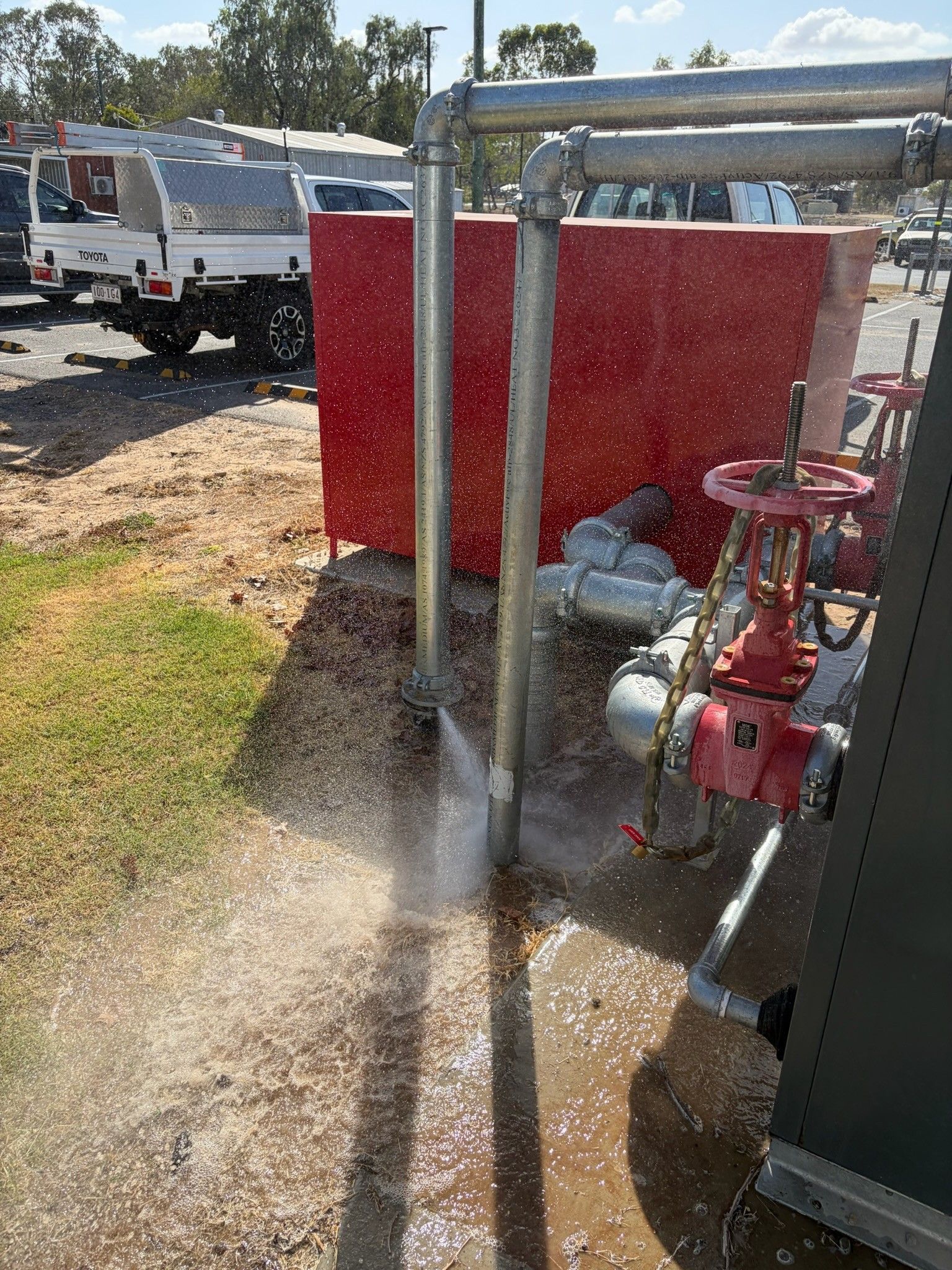
Yes. For properties with a wet fire system, hydrants and fire hose reels can be a significant part of the building's fire protection infrastructure, and RPS Fire designs, installs and services both — but treats each as its own item. A hydrant system being present doesn't mean hose reels are automatically covered, and vice versa.
Capabilities here also extend to fire pump and tank installations and specialised flow-testing equipment. Hydrant and sprinkler systems are certified under a Form 71 when commissioned and Form 72 for periodic testing and maintenance, the standard Queensland certification for water-based fire safety installations. Under AS1851, hydrants need a 6-monthly visual and condition check, an annual flow test, and 5-yearly booster flow and hydrostatic testing; fire hose reels need a 6-monthly visual inspection, an annual flow test.
Automatic sprinkler systems add another layer of protection, and RPS Fire provides sprinkler installation and maintenance as part of its broader wet fire services. Design and construction packages are scoped to the project, so sprinkler protection is planned in as part of the building's infrastructure rather than added as an afterthought.
New hydrant and sprinkler systems are commissioned on Form 71, and ongoing testing and maintenance is recorded on Form 72 — the Queensland forms required under QDC MP 6.1 for water-based fire safety installations — giving you documented proof that these specific systems meet requirements. Under AS1851, sprinkler systems need monthly valve and gauge checks, 6-monthly valve assessments, an annual full functional test, a 5-yearly comprehensive assessment, and 25-yearly sprinkler head sampling.
Fire Detection and Alarm Systems
Early warning is another essential part of a fire safety system. RPS Fire installs and maintains fire detection and alarm systems, which work alongside extinguishers, sprinklers, hydrants and hose reels, and emergency planning as part of a coordinated approach to workplace fire safety. Under AS1851, these systems need monthly panel checks, 6-monthly circuit and alarm testing, an annual full functional test, and a 5-yearly battery and cable inspection.
Exit and Emergency Lighting, and Evacuation Planning
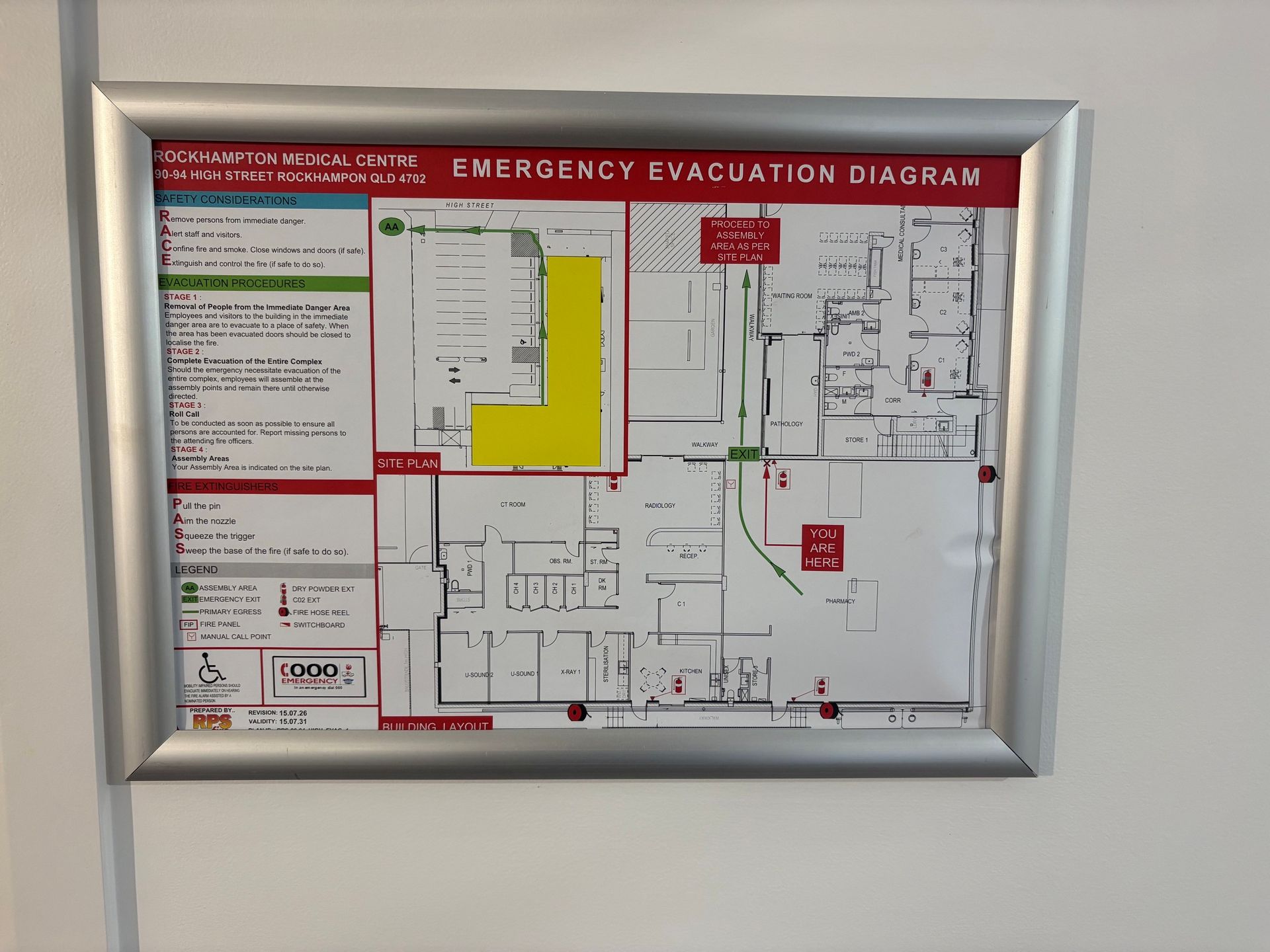
Fire protection also has to get people get out safely. RPS Fire assists with exit and emergency lighting, evacuation plans and procedures, and evacuation diagram reviews to confirm they're current and correctly displayed. Under AS2293, exit and emergency lighting needs a 6-monthly discharge test, confirming battery backup lasts the full rated duration (typically 90 minutes).
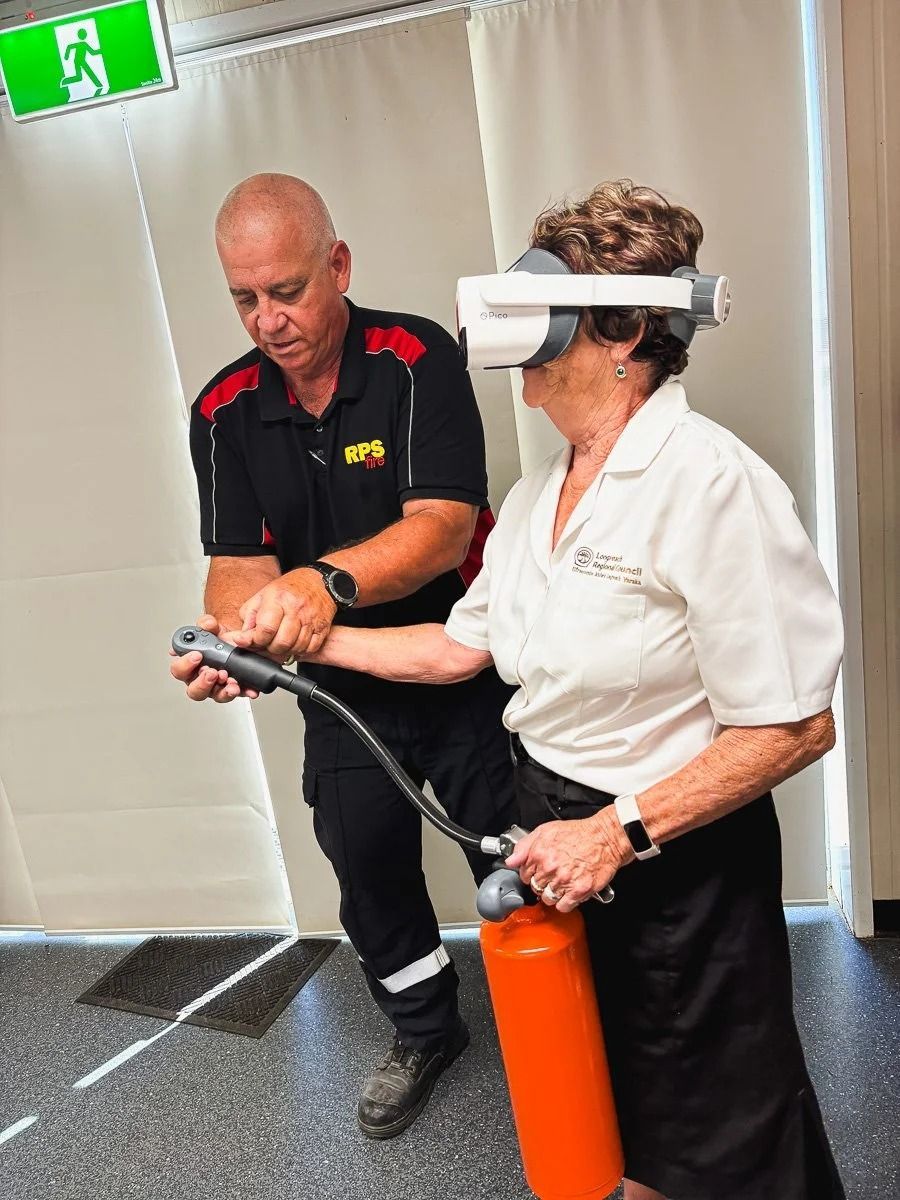
RPS Fire's Fire Safety Adviser service includes emergency evacuation diagrams, evacuation procedures, fire safety reports and first response training — connecting the physical equipment installed in a building with the knowledge staff need to use it in an emergency.
What Is Passive Fire Protection?
Not every fire protection measure is active equipment. Passive fire protection includes building elements like fire doors, which RPS Fire installs and maintains as part of its service range — elements that should be reviewed alongside active systems like alarms and sprinklers, not considered separately from them. Under AS1851, fire doors need a 6-monthly visual inspection and close test.
Why Does Ongoing Maintenance Matter?
Investing in fire protection doesn't end once equipment is installed. Under AS1851, systems need to be inspected, tested and serviced on an ongoing basis to stay compliant and to keep performing when needed.
RPS Fire is a licensed fire protection provider (QBCC Licence No. 1245534) and has worked across Central Queensland since 2012. Licensing isn't limited to the business — All work is carried out or supervised by appropriately QBCC-licensed technicians. For businesses managing several systems — extinguishers, hydrants, hose reels, sprinklers, alarms and passive protection — working with one accountable, fully licensed team can make ongoing compliance considerably more straightforward.
Conclusion
There's no single product that replaces a properly planned fire protection system. Most commercial buildings rely on some combination of extinguishers, hydrants, hose reels, sprinklers, alarms, emergency lighting, passive protection and evacuation procedures.
The important step is working out what's appropriate for your property and then keeping it maintained to AS 1851 over time — not treating installation as a one-off task.
If your Central Queensland business needs a new fire extinguisher, hydrant, hose reel or sprinkler system, or you want to discuss maintenance for existing fire protection equipment, contact RPS Fire on 07 4939 5597 or admin@rpsfire.com.au. RPS Fire services Barcaldine, Biloela, Blackall, Blackwater, Emerald, Gladstone, Longreach, Monto, Moura, Rockhampton and Yeppoon.